Drain repairs in Teesside
Drain repairs in Teesside cost £300 to £1,000 in 2026 for patch lining or relining a damaged section, with chamber and gully work at the lower end. No-dig methods fix most faults without opening the ground, and camera evidence should come before any repair is priced.
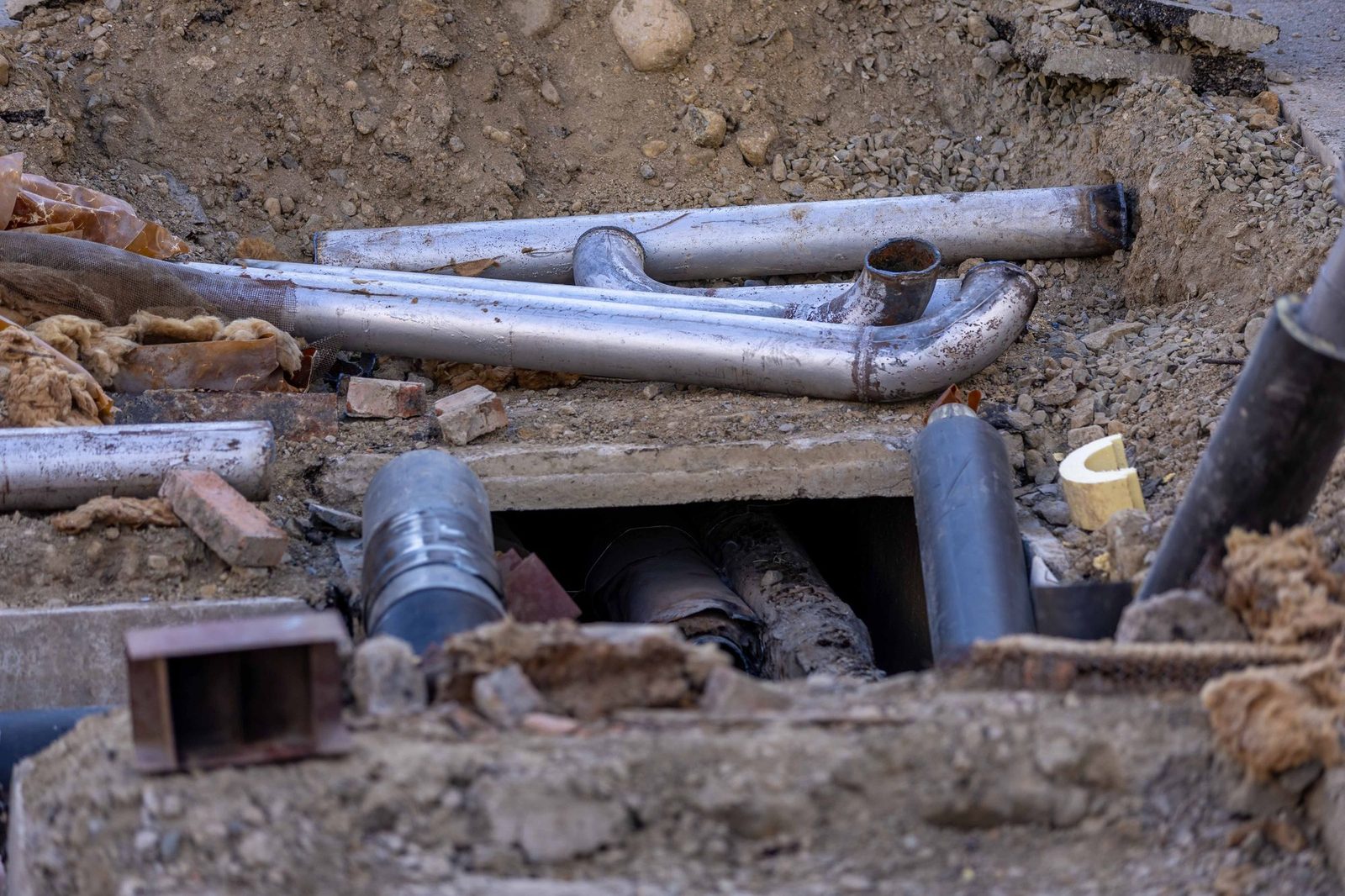
Fixing the pipe without losing the garden
Most drainage faults on a Teesside house can now be repaired from inside the pipe. A resin-impregnated liner is drawn into position, inflated against the pipe wall and left to cure, forming a new pipe within the old one across the damaged section. For a single cracked joint that is a patch liner, a job of a few hours. For a run with several defects it is a full length liner. Either way the lawn, the block paving and the conservatory floor stay where they are, which is usually the largest saving on the whole job.
What gets repaired most often here
- Open or displaced joints: the classic failure in Victorian salt-glazed clay, where mortar has perished and the pipe ends have moved apart. This is also the entry point roots use.
- Cracked and fractured sections: usually from ground movement or from a heavy vehicle parked over a shallow run.
- Failed chambers and gullies: broken benching, missing covers, gullies that have dropped away from the pipe and let silt into the system.
- Sagged runs holding water: a low spot that never drains fully and catches solids every time. These sometimes need excavation and relaying rather than lining.
What moves the price
The length of liner is the base cost, so a single patch at one joint sits near £300 while relining a full run to the boundary approaches and sometimes passes £1,000. Depth, diameter and the number of bends all add: sharp bends limit which techniques work. Access for the equipment matters again, and repairs that need a second visit for a post-repair camera check carry that cost. Where the pipe has genuinely failed and lining will not hold, excavation and replacement is the honest answer, priced per job.
Insurance and the water company
Two questions are worth asking before you pay for anything. First, whose pipe is it: since 2011 the shared and lateral runs beyond your boundary belong to the water company, and repairs there are not your bill, which the responsibility guide sets out. Second, is it insured: many buildings policies cover accidental damage to underground services, and a camera survey report is exactly the evidence an insurer will ask for. Getting both answers before instructing work is the cheapest hour anyone spends on a drainage problem.